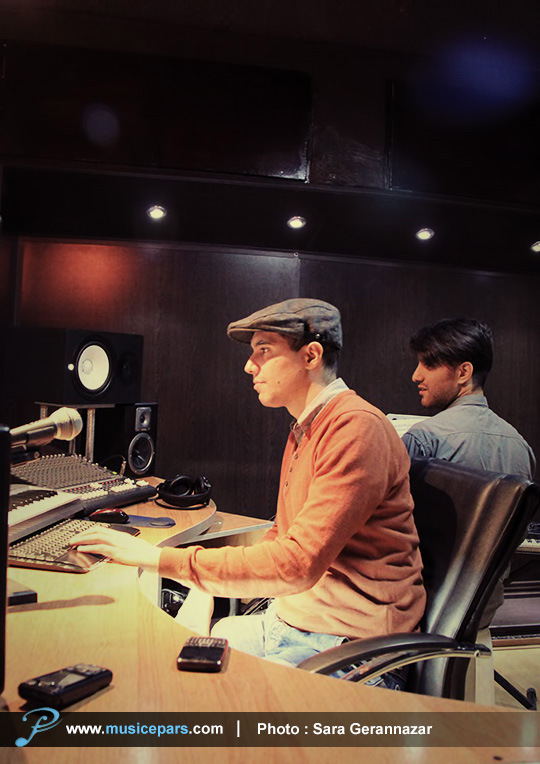
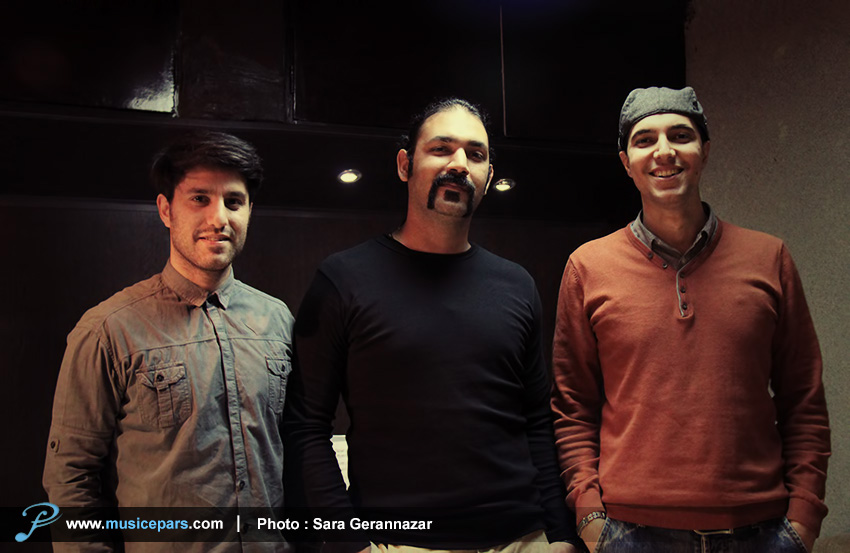
Ashoor Z.Moradian
Drummer
“Pink Floyd” Was Where “Haman” Began
Ashoor Zafar Moradian
Why, even though you knew that working in rock in Iran, and legally at that, brings a lot of difficulties, did you still choose this style? Will the current line-up stay stable, or will it change again?
It was entirely down to my personal passion, and of course to the influence this music had on me since childhood. That influence came from the fact that my father was a musician and always listened to this kind of music at home. And rock, with its rich music and meaningful lyrics, is spiritually fulfilling for me. Naturally, all the band members love this style too and came to it in much the same way I did.
As for permits, in 2004 I obtained the first permit for an album by the band, with its former line-up. I don’t accept the claim that permits aren’t granted for this style: you can play rock above ground in Iran without being underground if everything is within the rules. You can even get a permit on your own, without a record label. Although many people were against it, I obtained a permit for the band; but when the former members left, our ideas and the way we played took on a new shape over time with the new members, and we didn’t go ahead with releasing the album.
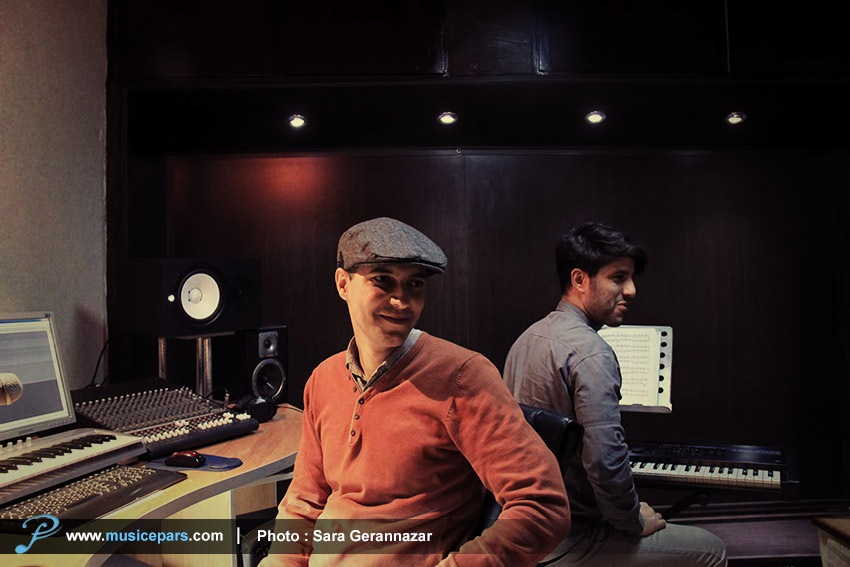
In a band you can never guarantee that everyone will stay; we have had many changes over these 10 years. But I hope this time the members stay together, because it is a successful team and we have without doubt brought the best people together.
- What stage is Haman at with its album? Is your album exclusively rock, or are there other styles as well?
The lyrics have been approved and recording has begun. We signed a contract with the Avaye Sooteh Delan company, run by Mehdi Mirzabagherian, who is one of the country’s fine musicians and has been very generous to the band so far, and he has made the permit process, which we used to handle ourselves, much easier for us.
The composing is mainly done by Sina and Amir, and the arrangements are worked out together as a band, with everyone contributing; we are recording in our own studio (Dolby). Most of the lyrics on the album were written by Hassan Alishiri, an old friend of mine who has helped us a great deal: more established, better-known composers and singers probably wanted many of these lyrics, but he kindly gave them to Haman.
Going back a little, when we first started, our idea was “Space Rock ”, like Pink Floyd, since we all loved that band. In the early days we even covered their songs. As we went on, our tastes changed over time. We moved toward more technical music, such as our track “Fire Wednesday” (Chaharshanbe Suri), which was pretty much what we all loved at the time: the music was dominant and there were no lyrics. Then our views shifted a little, and now we play pop rock rather than pure rock. Personally, I don’t think anyone in Iran plays pure rock yet. Of course there are friends, and I don’t want to call them underground, who play metal and so on, but the taste of today’s audiences is pop, pop rock and balanced music that can be enjoyed at any time, and we respect that.
- How many tracks has Haman officially released so far? Has the band played live yet?
Four tracks since 2007: in order, an instrumental called “Fire Wednesday” (Chaharshanbe Suri), then “Flight” (Parvaz), “Tomorrow Is Bright” (Farda-ye Roshan) and “Sleep” (Khab), which was mistakenly released as “Dream” (Roya). If you listen to the band’s music, you will hear exactly these changes and our gradual evolution toward the public’s taste.
Yes, we gave a “research” performance in 2011, but now that we have the album permit we will play at venues better suited to our style, such as Farabi Hall and Ivan-e Shams Hall.
- How do you see Haman’s future?
I try to see the future of Iranian rock music in our band. If rock has a good future, if this kind of music that is now labelled “niche” has a good future, then Haman’s future will certainly be good too. Our music is aimed first at musicians and music critics, and second at the general public. Our utmost goal is to win over first the musicians and then the wider audience, who so far have been very kind to us across every age group and taste .
- And a final word?
I hope Haman and its music can meet part of society’s need for music and emotion.