Ashoor Z.Moradian
Drummer
Second Specialist Drum Seminar Held
Ashoor Zafar Moradian
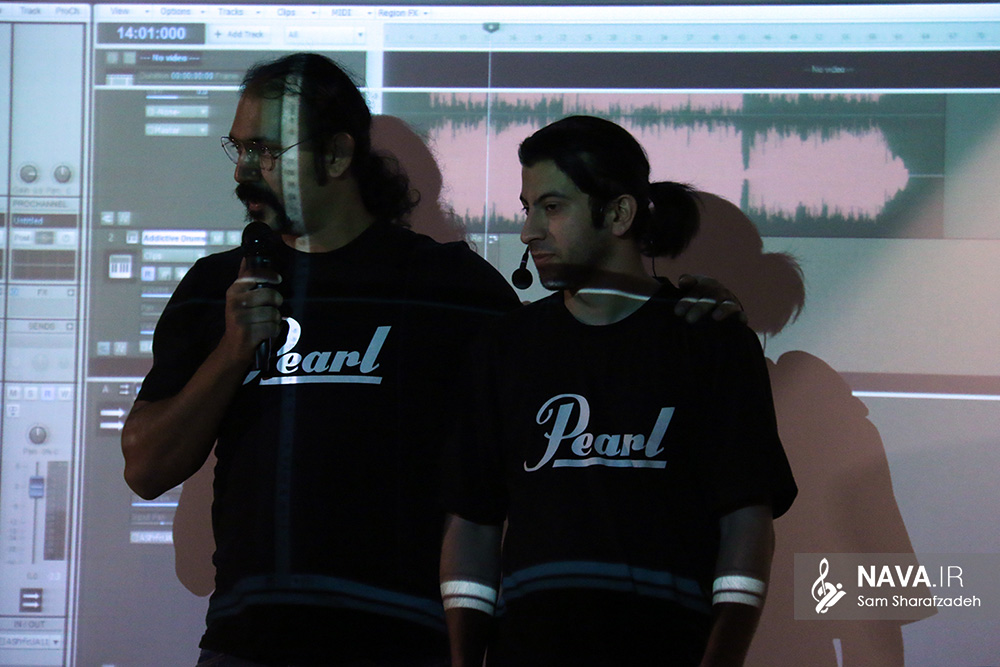
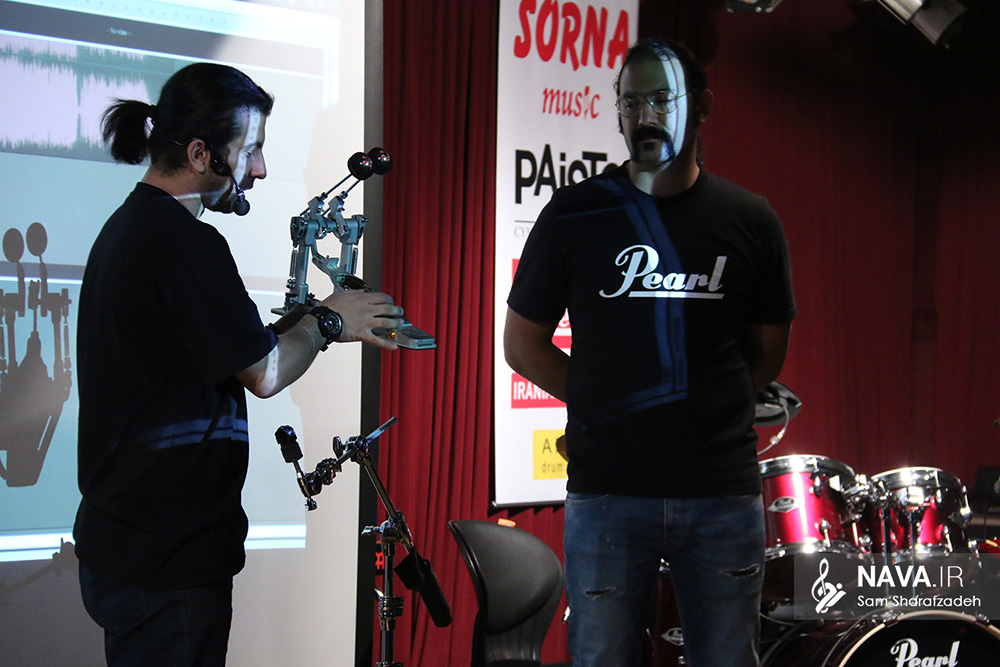
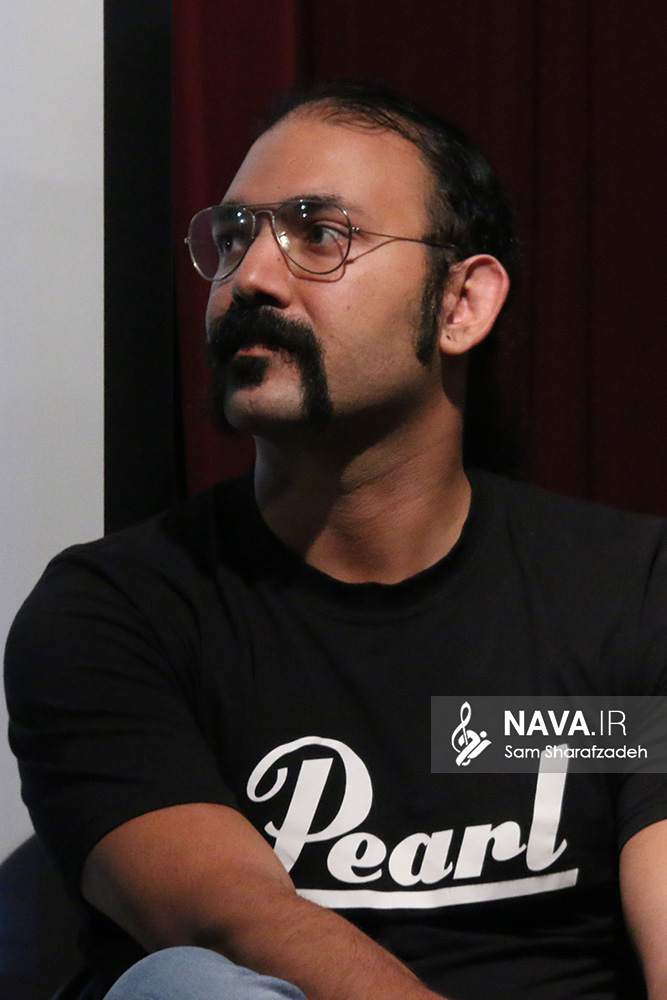
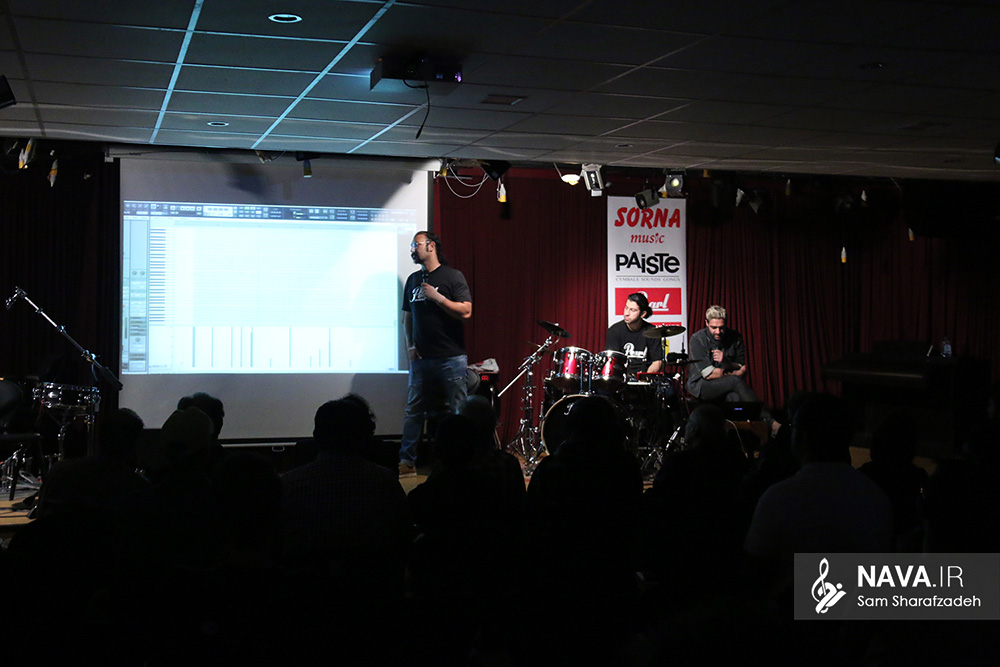
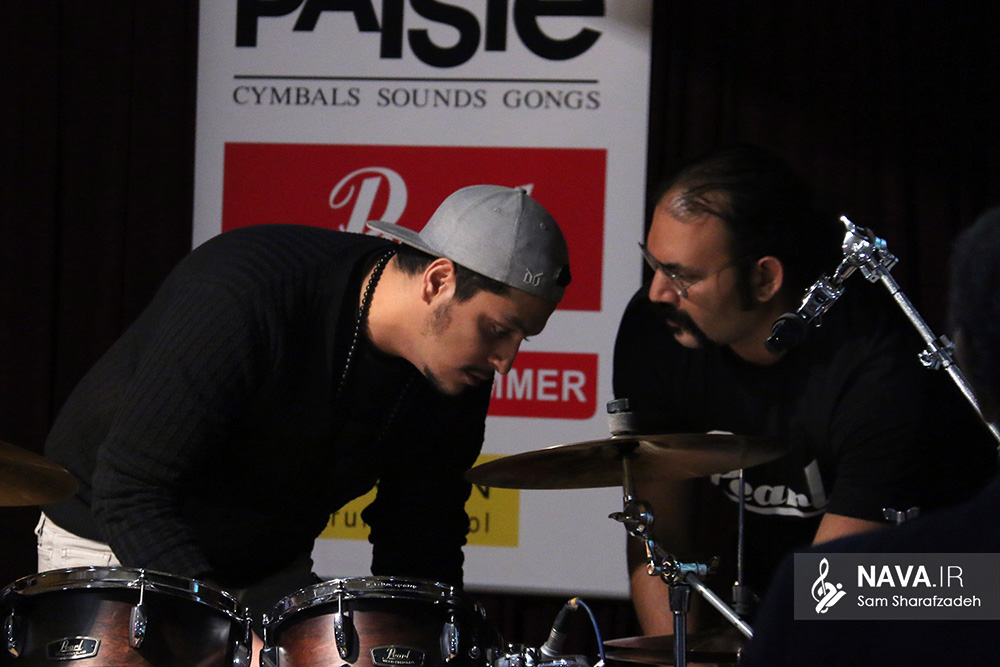
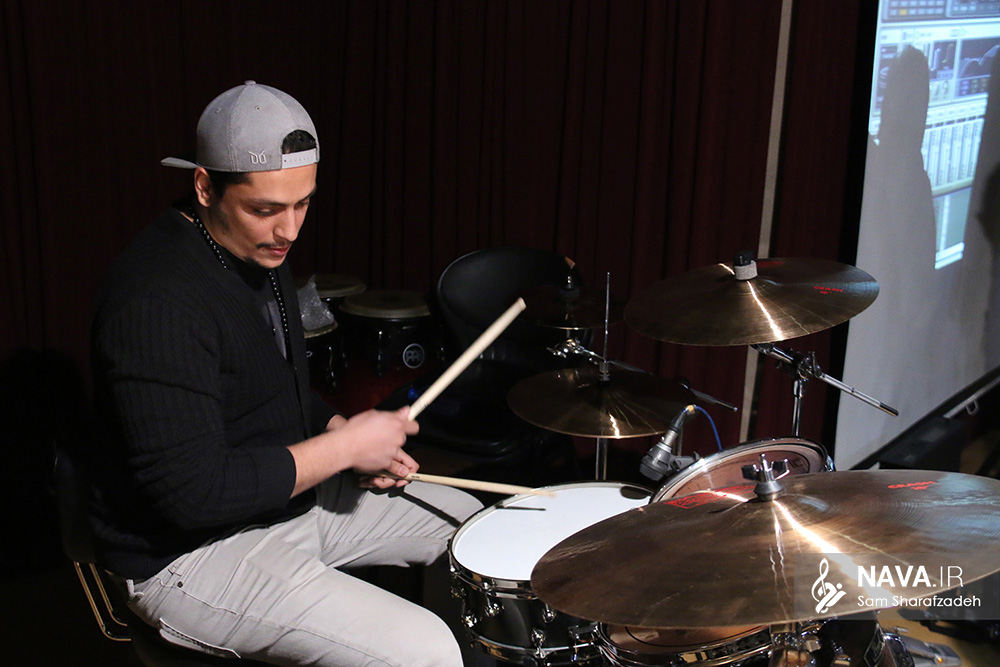
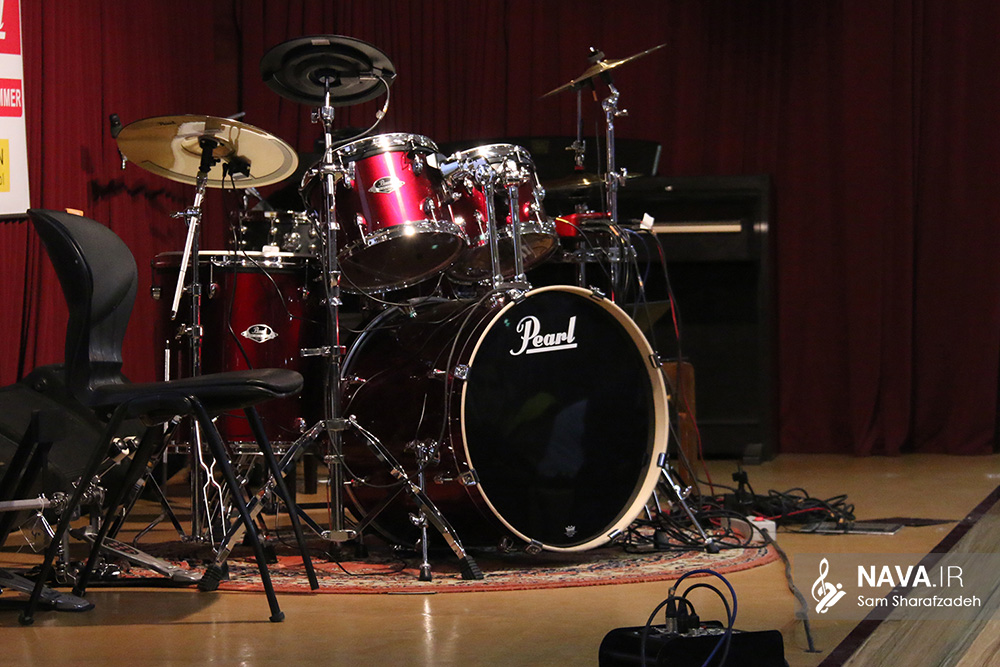
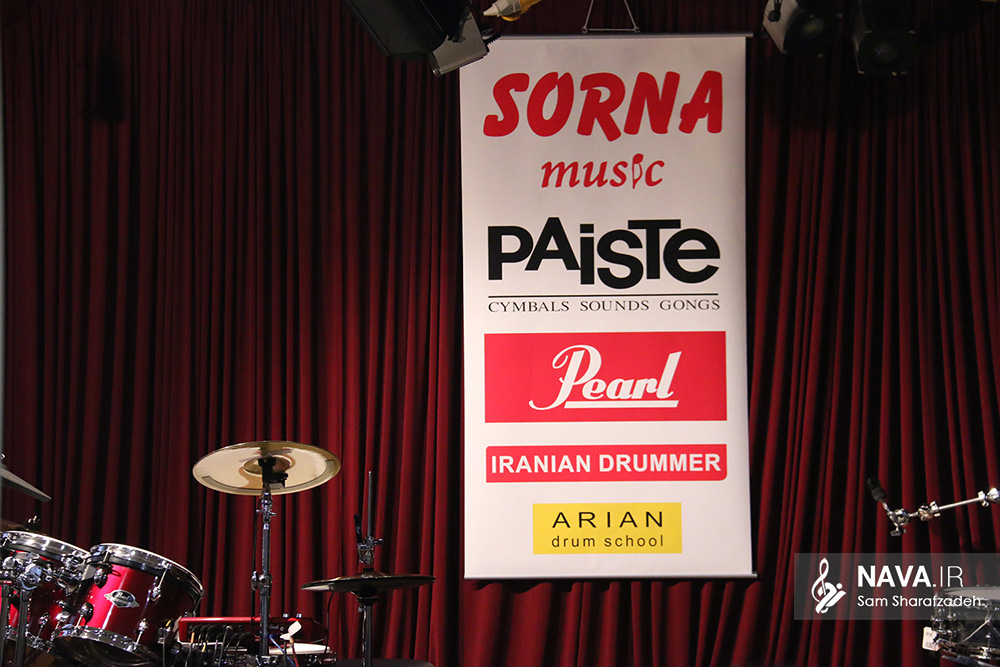
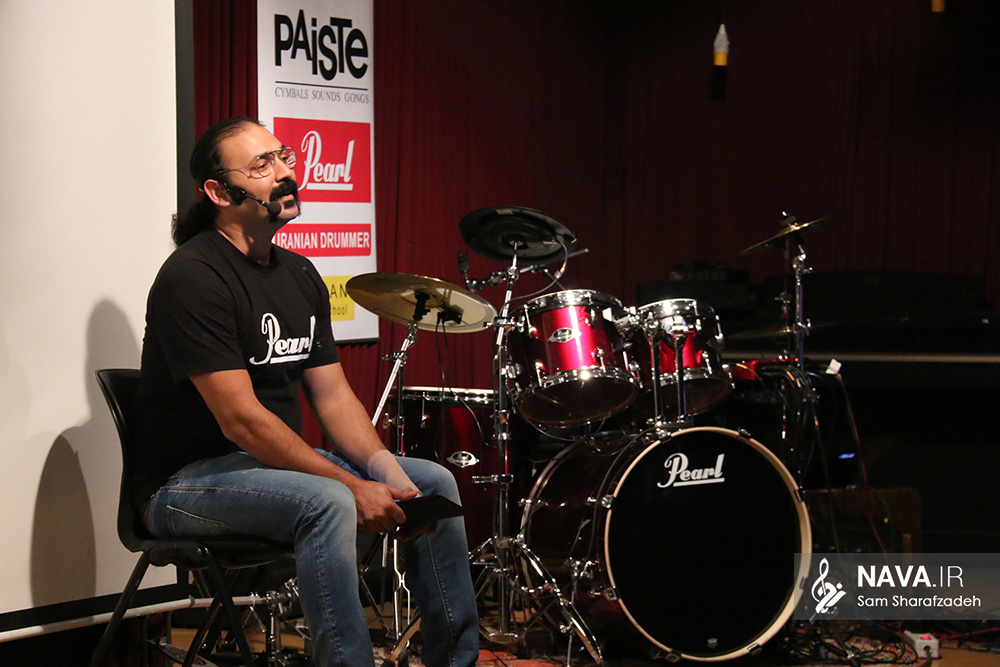
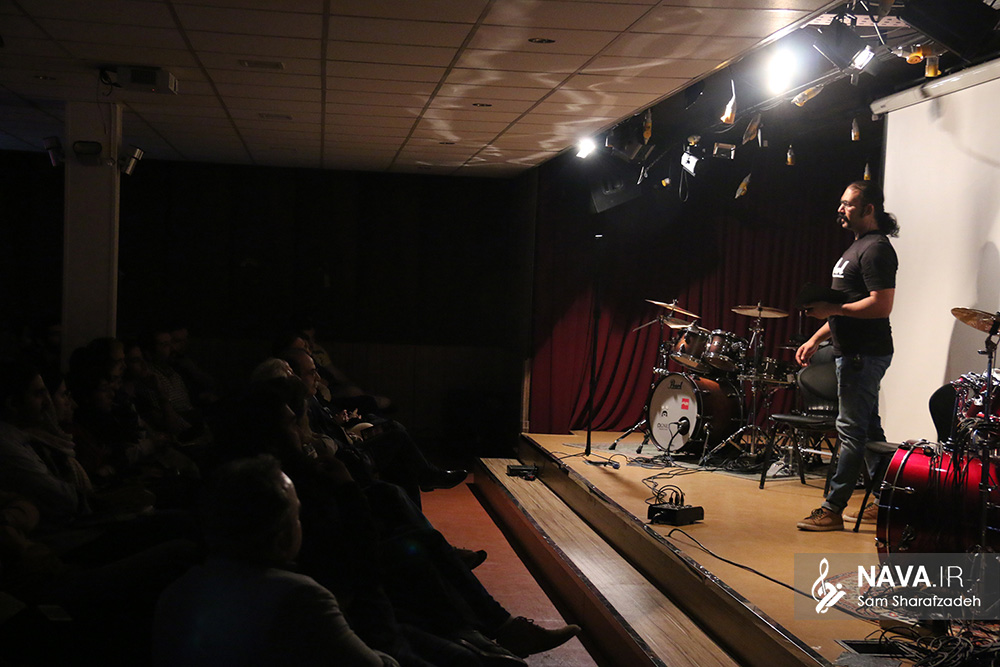
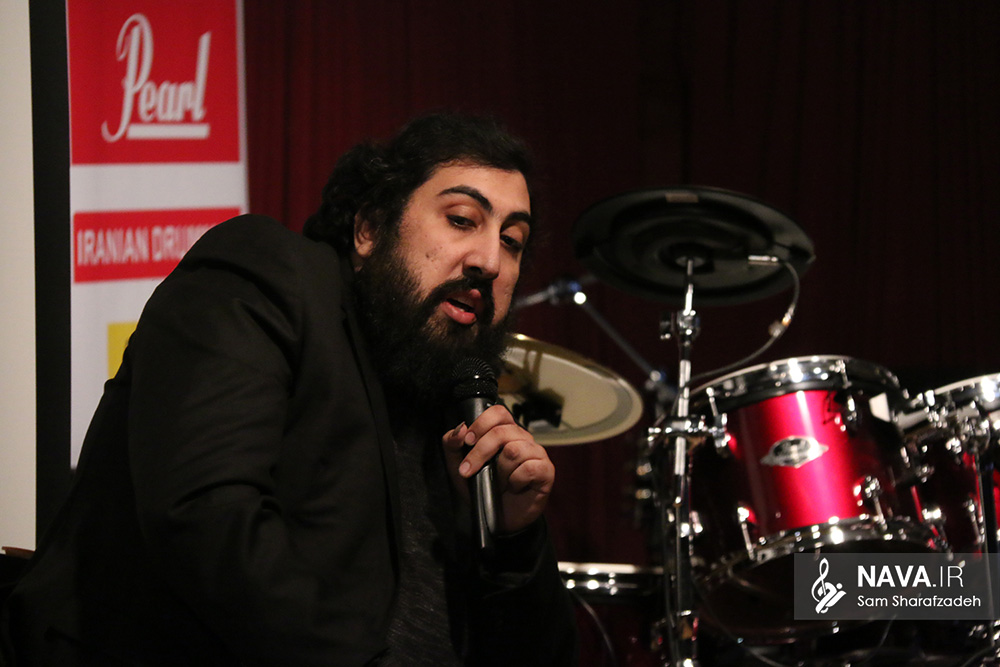
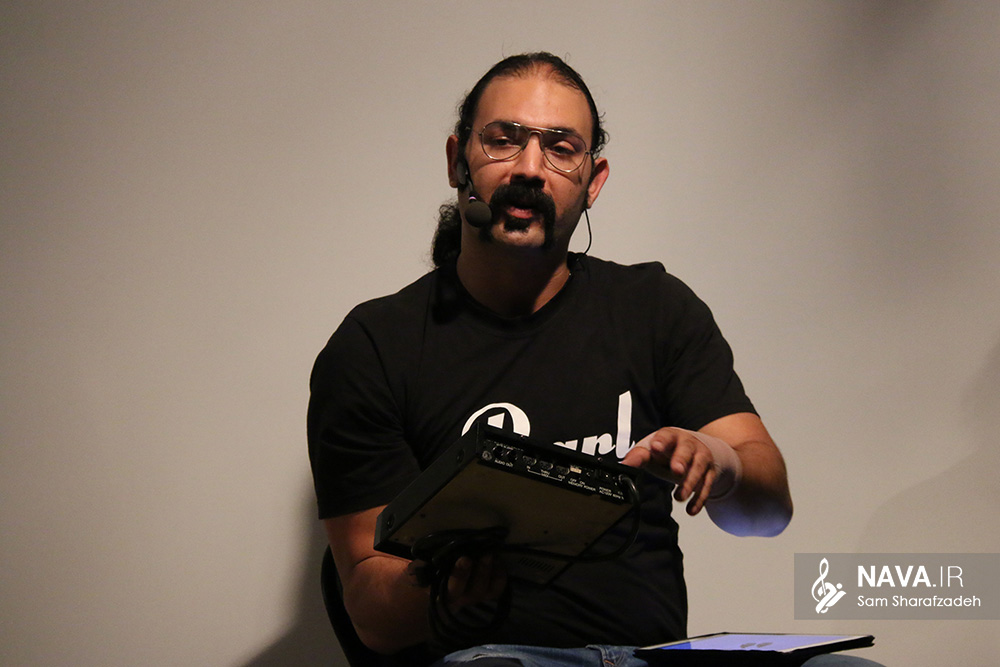
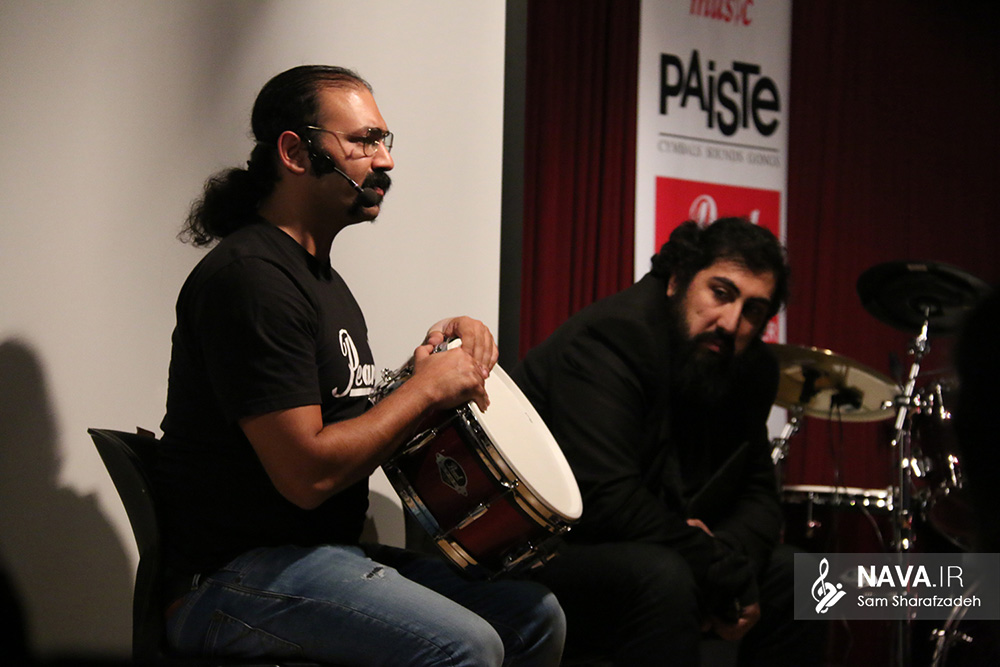
Last Thursday, November 2, the second specialist drum seminar was held at the Sorna Institute hall, presented by Ashoor Moradian, Pearl’s official artist in Iran.
According to Nava Media, the session officially got under way with Ashoor Moradian speaking about the MIDI controller (a data-transfer port introduced in the early 1980s; the first device to feature such a port was the Prophet 600). Moradian said: Today we will be talking about Pearl’s digital major and trigger pads.
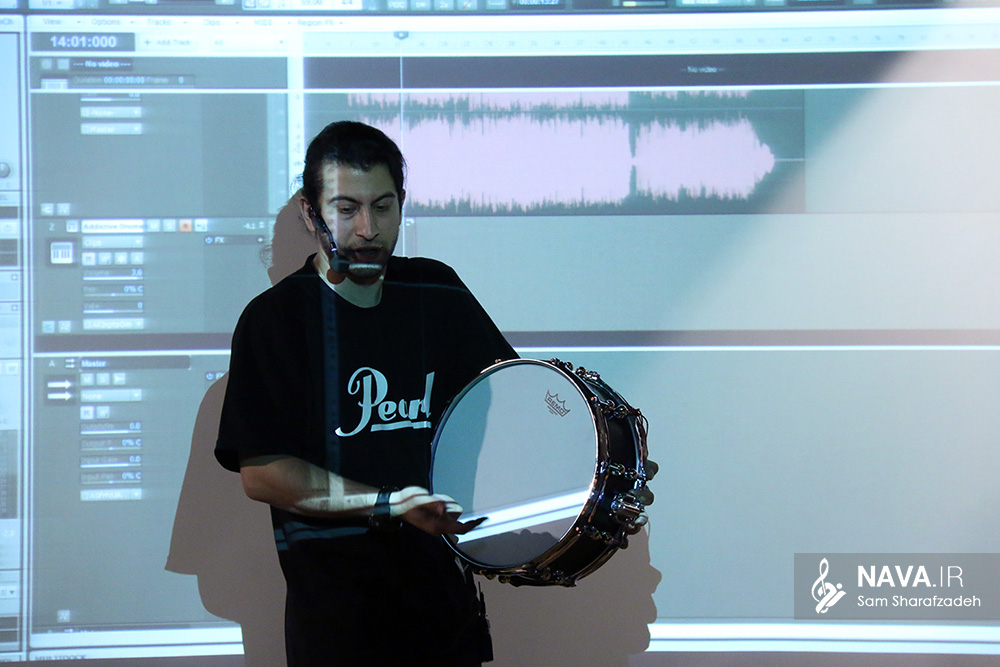
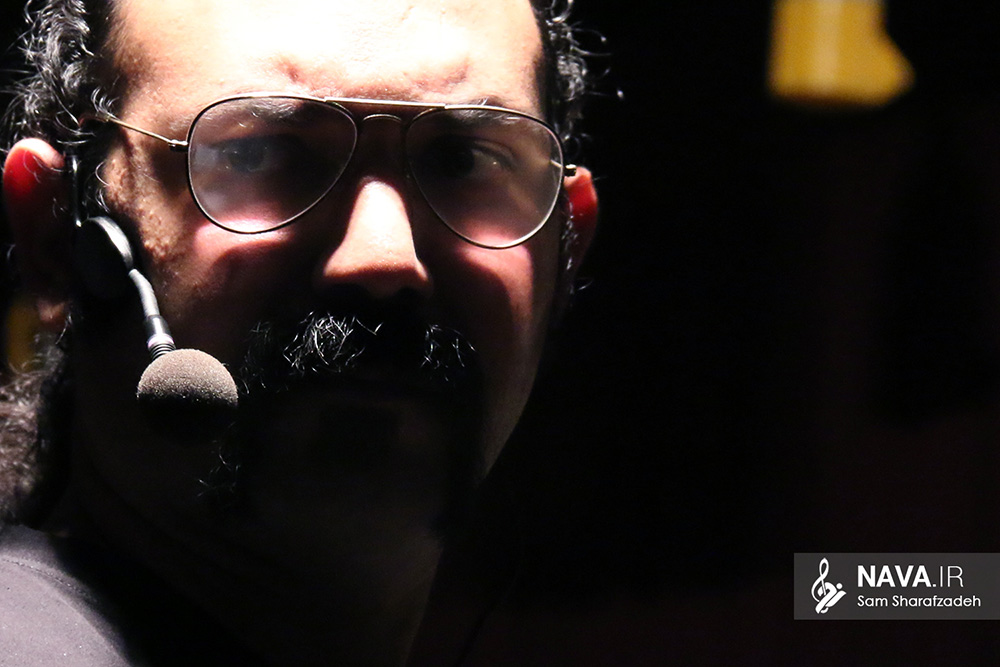
The program continued with Kourosh Behnam, professor of acoustics at the University of Tehran. Behnam began with the history of the sound modulator and introduced its early types. Before moving on to how drums are miked and recorded, Moradian described some of the problems involved: There are limitations, such as the choice of hardware. The tom-toms are, in a way, mounted on the bass drum, so resonance passes from the kick to the tom-toms and vice versa. That is where the choice of kit becomes important.
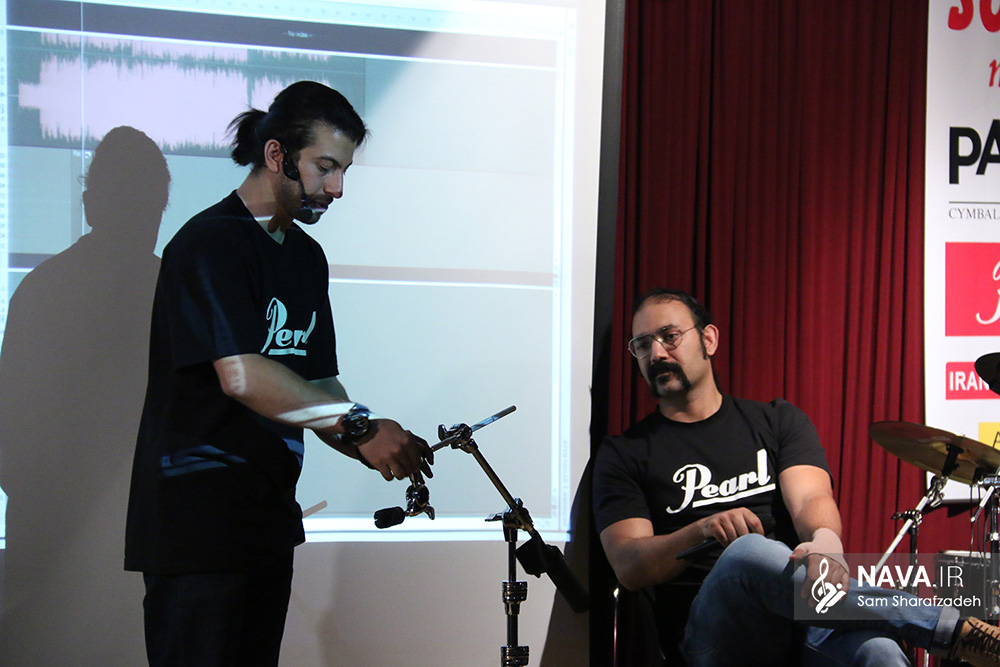
Kourosh Behnam started with the number and placement of microphones, saying: In sound recording nothing is absolute, but there is a set of standard practices that have always been used. There are three types of miking: minimal miking for small spaces, full miking used in the studio, and over miking used in studios able to record more than eight to sixteen channels. We might even want to use three microphones on a single snare. The most important and most difficult microphone to place is the overhead.
After explaining these three categories, he continued: Recording low frequencies is difficult, and not every microphone can do it. You need special microphones that capture the Attack (the transient response) and are built for this job. I also want to make a point about room acoustics: in modern design, a deadroom should not be one hundred percent acoustically treated, because recording has moved toward using natural reverb in the mix, which a microphone at the back of the room will capture. A deadroom must have two qualities: keeping the sound from escaping, and keeping the sound inside clean. Many of the tools widely used today do not actually deaden the sound; they only reduce the reverb.
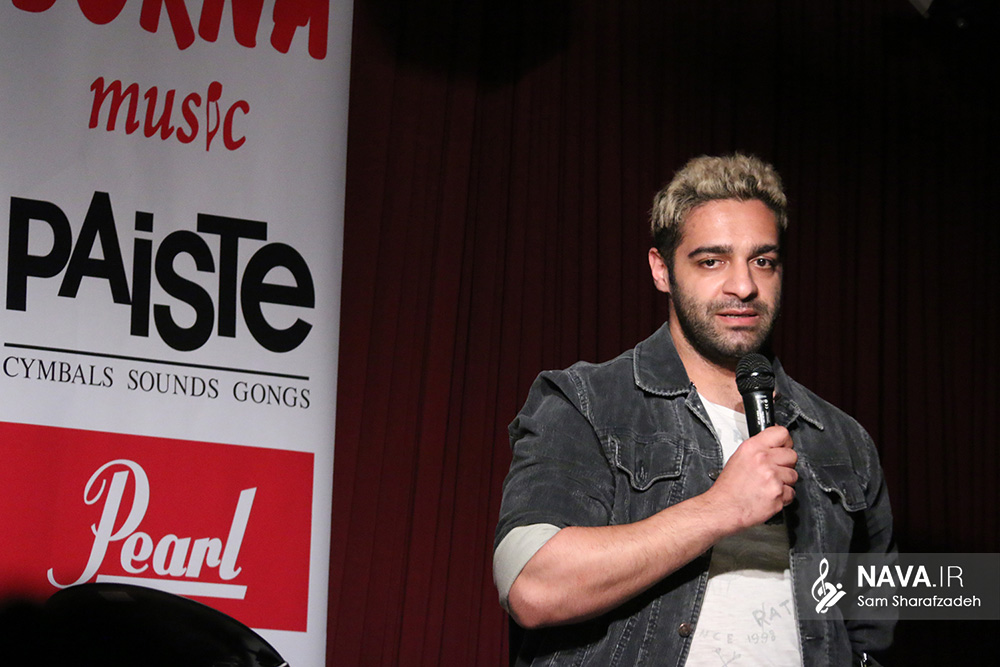
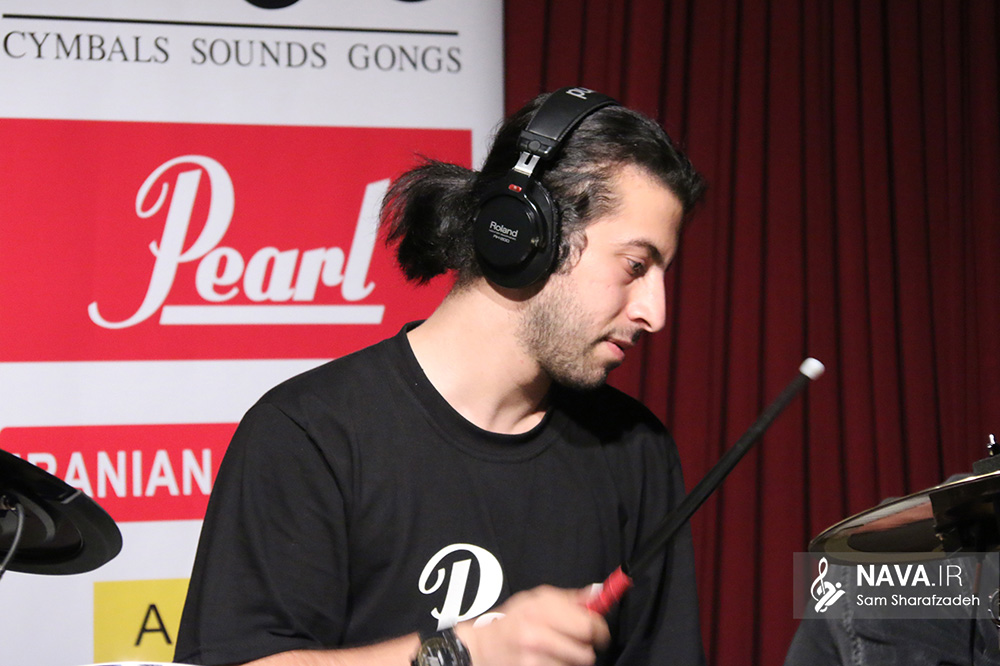
The second part of the program opened with a screening of Haman’s latest video, which has received an official permit from the Ministry of Culture and Islamic Guidance and will soon be officially released to music audiences. At Ashoor Moradian’s invitation, Mohammad Zabihian, the official technician for Pearl drums and Paiste cymbals, came on stage to talk about hardware and explained how Pearl differs from other companies in its choice of materials for its instruments. Composer and arranger Aryam Hojabr then joined Moradian and Zabihian to record a piece using the equipment at hand.
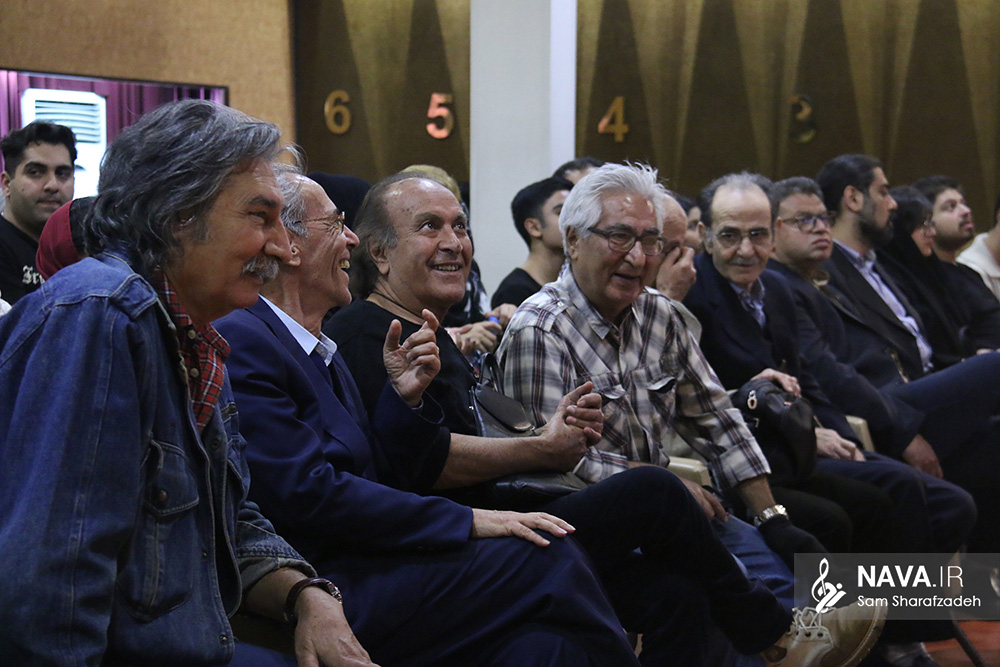
Veteran artists Einollah Keyvanshokouh, Bahram Saeedi, Bahram Amin Salmasi, Behrouz Amin Salmasi, Siamak Sahami and Ahmad Zafar Moradian attended the seminar. Mohammad Atyabi, head of the Music Artists’ Guild, was also present at the Sorna hall.
Armina Jafari, Sahar Shateri, Saeed Jame, Saman Beheshti, Soroush Bighashdel and Sina Partovi were also invited to the second specialist drum seminar as guest drummers.
Tags: drums